November 24, 2026
A beautiful yard is more than a collection of plants and flowers. It is an outdoor space that changes throughout the year, offering fresh colors, textures, and visual interest with every passing season. While some homeowners focus on planting flowers once and enjoying them for as long as possible, seasonal flower rotation provides a more dynamic approach to outdoor landscaping. By selecting plants that thrive during different times of the year, homeowners can maintain a colorful, healthy, and inviting yard from spring through winter.
Successful seasonal planting begins with thoughtful landscape planning. Understanding which flowers grow best in different weather conditions helps homeowners make informed decisions about plant placement, maintenance, and overall design. It also creates opportunities to refresh outdoor spaces without completely redesigning the yard. With the right combination of flowers and greenery, each season can bring something new to the landscape.
Understanding the Benefits of Seasonal Flower Rotation
Seasonal flower rotation involves replacing or rearranging flowers throughout the year based on their growing seasons and environmental needs. Rather than relying on one collection of plants year-round, homeowners select varieties that perform best during specific temperatures and weather conditions. This approach keeps flower beds looking fresh while giving plants a better chance to thrive.
One of the biggest advantages is consistent visual interest. Spring flowers introduce soft colors and fresh growth, while summer varieties bring bold shades and fuller blooms. Fall flowers can add warm tones, and winter greenery or cold-tolerant plants help maintain structure when many other flowers have finished blooming. These transitions prevent outdoor spaces from looking neglected or empty during seasonal changes. With proper landscape planning, homeowners can create a planting schedule that accounts for these changing needs.
Selecting Flowers That Thrive in Every Season
Choosing the right flowers is essential to creating a landscape that looks appealing throughout the year. Different varieties have different growing requirements, so homeowners should consider temperature, sunlight, soil conditions, and moisture levels before selecting plants.
Spring is an excellent time to introduce flowers that enjoy cooler temperatures. Pansies, tulips, daffodils, and hyacinths are popular choices that bring color back to outdoor spaces after winter. These flowers can brighten garden beds, line walkways, and create attractive focal points near entrances. Their variety of colors also makes it easier to establish a coordinated appearance.
As temperatures rise, summer flowers can take center stage. Petunias, marigolds, zinnias, and coneflowers are options that provide vibrant colors during warmer months. Some varieties also attract butterflies and other pollinators, adding activity to the yard. Selecting flowers with different heights and growth patterns can make garden beds look fuller and more balanced.
Fall provides an opportunity to incorporate flowers that complement the changing colors of the season. Chrysanthemums, asters, and ornamental kale can introduce rich shades of red, purple, yellow, and orange. During winter, homeowners can use evergreen shrubs, ornamental grasses, and cold-tolerant plants to maintain visual structure. Landscape planning helps coordinate these seasonal selections so that one group of plants transitions naturally into the next.
Creating a Balanced and Colorful Landscape Design
Seasonal flower rotation is most effective when each planting change contributes to the overall appearance of the property. Simply replacing flowers every few months may provide temporary color, but a coordinated design creates a more polished result.
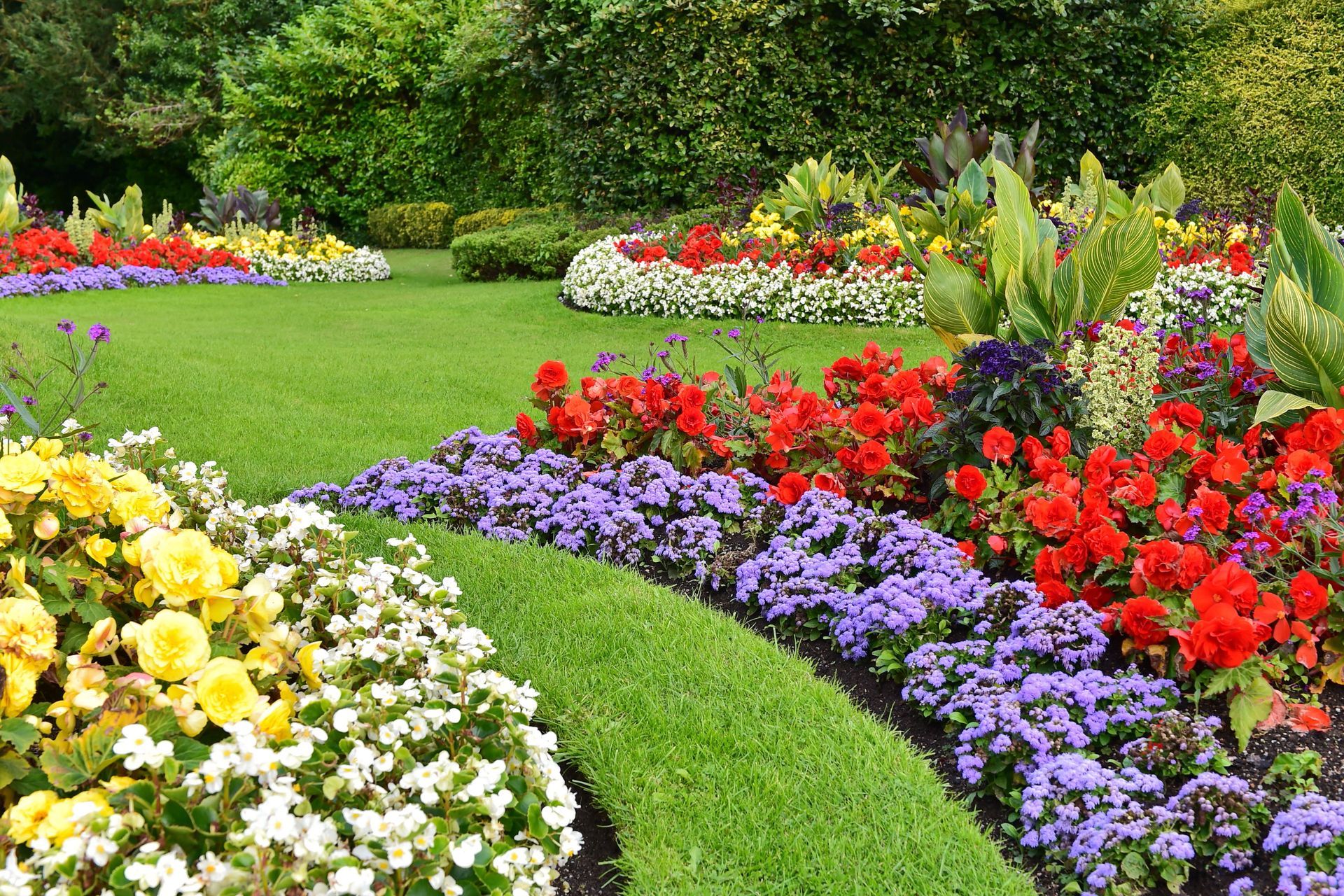
One important consideration is color coordination. Homeowners can choose complementary colors for a cohesive appearance or use contrasting shades to create noticeable focal points. For example, purple and yellow flowers can provide an eye-catching combination, while different shades of pink and white create a softer look. Repeating certain colors throughout the yard can also help connect separate garden beds.
Plant height and texture are equally important. Taller flowers can create visual interest toward the back of a garden bed, while shorter varieties help fill the foreground. Adding plants with different leaf shapes and growth patterns creates depth even when flowers are not blooming. Evergreen shrubs and ornamental grasses can provide a consistent foundation between seasonal rotations.
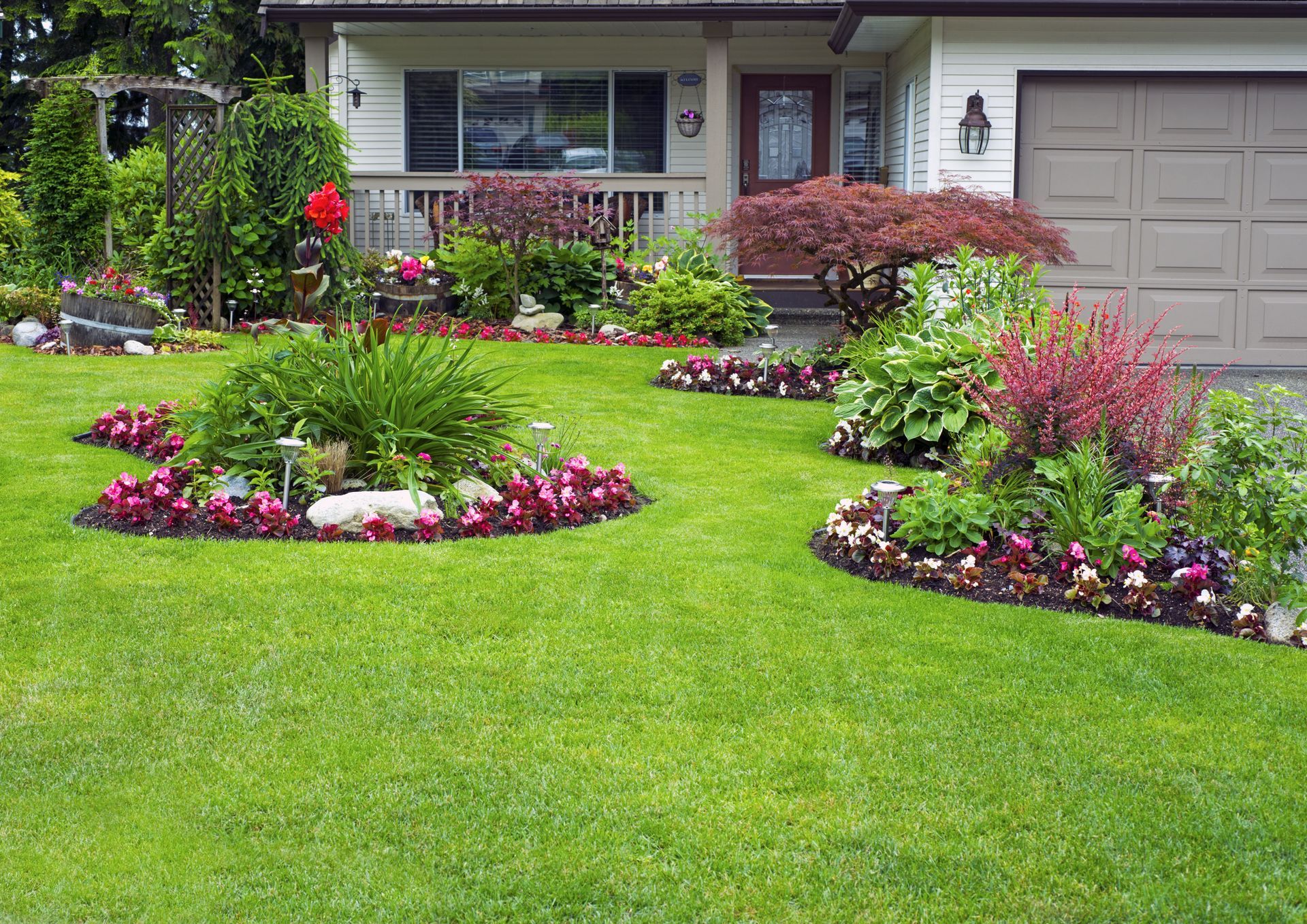
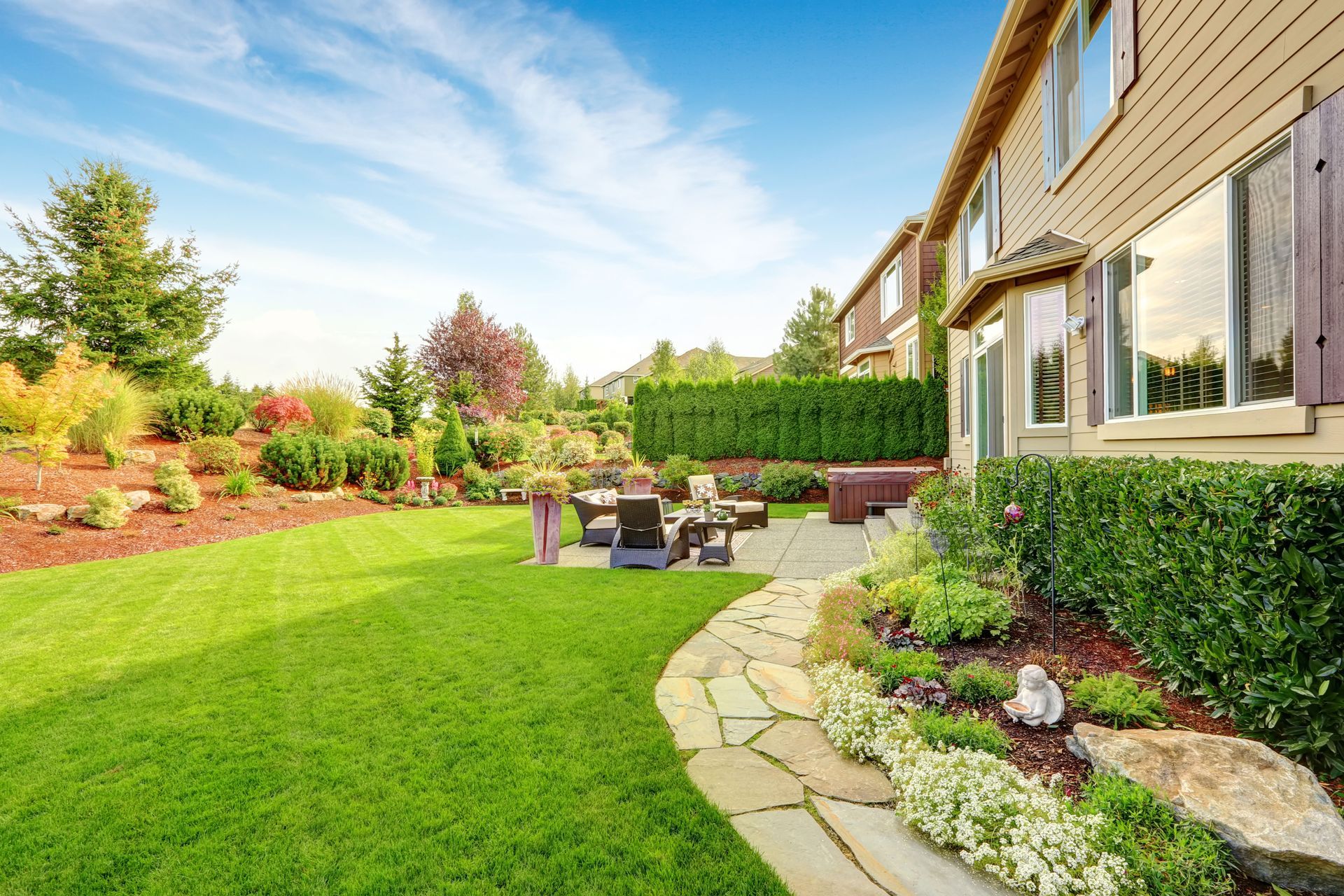
A well-designed landscape should also complement the property's existing features. Flower beds near walkways, patios, and entryways should feel connected to the surrounding architecture and outdoor spaces. Through careful landscape planning, homeowners can determine where seasonal flowers will have the greatest visual impact without overcrowding existing plants or obstructing important areas.
Improving Plant Health Through Seasonal Changes
Flower rotation does more than improve the appearance of a yard. It also creates opportunities to support plant health by matching flowers with appropriate growing conditions.
Temperature is one of the most important factors to consider. Some flowers thrive in cooler weather but struggle during intense summer heat. Others need warmer temperatures to grow and bloom successfully. Planting flowers outside their preferred growing season can lead to wilting, reduced flowering, and increased maintenance requirements.
Soil conditions also influence how well flowers perform. Different plants have different preferences for drainage, moisture, and nutrients. When changing seasonal flowers, homeowners should inspect garden beds and address any soil issues before introducing new varieties. Removing dead plant material and adding compost when appropriate can help prepare the area for future growth.
Watering habits may need to change as well. Newly planted flowers often require consistent moisture while their roots become established. However, watering needs can vary depending on rainfall, temperature, and plant type. Landscape planning allows homeowners to account for these differences and develop a more practical watering routine.
According to This Old House, every 1,000 square feet of a healthy lawn contains about a million plants. This fact highlights just how much living vegetation contributes to an outdoor environment. Although flowers are only one part of a property's landscape, maintaining healthy planting areas can contribute to a more attractive and well-balanced outdoor space.
Supporting Pollinators With Seasonal Flower Choices
Another advantage of seasonal flower rotation is the opportunity to support local pollinators. Bees, butterflies, and other beneficial insects rely on flowering plants for nectar and pollen. However, not every flower blooms at the same time, which means pollinator food sources can become limited during certain parts of the year.
By selecting flowers with different blooming periods, homeowners can provide more consistent resources throughout the growing season. Early spring flowers can help support pollinators emerging after winter, while summer varieties offer additional food sources during warmer months. Fall-blooming flowers can provide valuable resources later in the year when fewer plants are flowering.
Native flowers can be particularly useful when creating pollinator-friendly garden beds. These plants are adapted to local environmental conditions and may provide familiar food sources for native insects. Coneflowers, black-eyed Susans, and asters are examples of flowers that can attract pollinators while adding seasonal color. Thoughtful landscape planning makes it possible to combine attractive flower arrangements with planting choices that support local ecosystems.
Maintaining Garden Beds Between Seasonal Rotations
The transition between seasonal flowers is an important part of maintaining a healthy landscape. Once a particular group of flowers has finished blooming, homeowners should prepare the garden beds before introducing the next selection.
Start by removing dead flowers, damaged stems, and unwanted plant material. Clearing out old growth helps create room for new plants and makes it easier to identify potential problems. Homeowners should also inspect the soil for compacted areas, weeds, or drainage concerns that could affect the next planting cycle.
Adding fresh mulch can improve the appearance of garden beds while helping regulate soil temperature and retain moisture. Mulch can also reduce weed growth, which limits competition for water and nutrients. However, it should be applied carefully to avoid covering plant crowns or piling material against stems.
With a consistent maintenance schedule, seasonal transitions become easier to manage.
Landscape planning can help establish when to remove flowers, prepare soil, add new plants, and refresh mulch so that garden beds remain organized throughout the year.
For homeowners who want to enjoy a colorful yard throughout the year, seasonal flower rotation offers a practical way to keep outdoor spaces fresh and appealing. One Team Property Inc can help turn those landscaping goals into a well-maintained outdoor environment that continues to look beautiful as the seasons change. Contact us today for more information.