August 25, 2026
Curb appeal dictates property perception. A pristine exterior welcomes guests and prospective buyers, setting expectations for interior spaces. Property owners focus on indoor renovations while neglecting the outdoor environment. However, routine landscape maintenance serves as a fundamental pillar of property preservation. Lush lawns and trimmed hedges project pride and diligence. A neat perimeter establishes a standard of excellence. Attention to detail outside hints at rigorous upkeep inside the building.
Without consistent attention, nature reclaims human-made structures. Overgrown branches scrape against siding, while invasive weeds fracture walkways. Ignoring these outdoor spaces diminishes property desirability and leads to structural degradation. An investment in the exterior environment provides substantial returns. Establishing a structured approach to groundskeeping protects real estate assets from depreciation and functional decline. Neglect transforms an asset into a liability, burdening the owner with eventual restoration costs. Proactive care eliminates avoidable expenses.
Elevating Visual Appeal Through Consistent Care
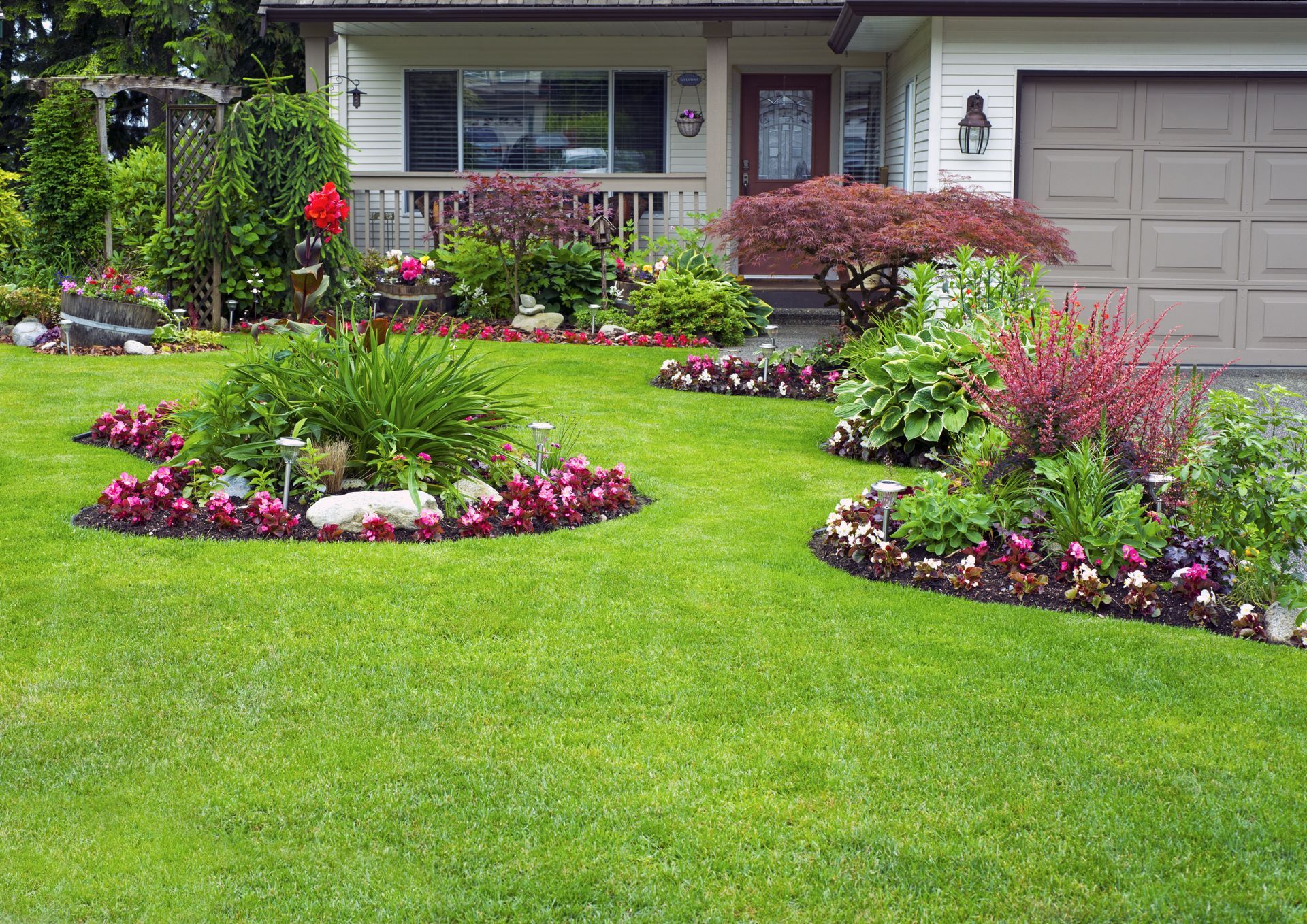
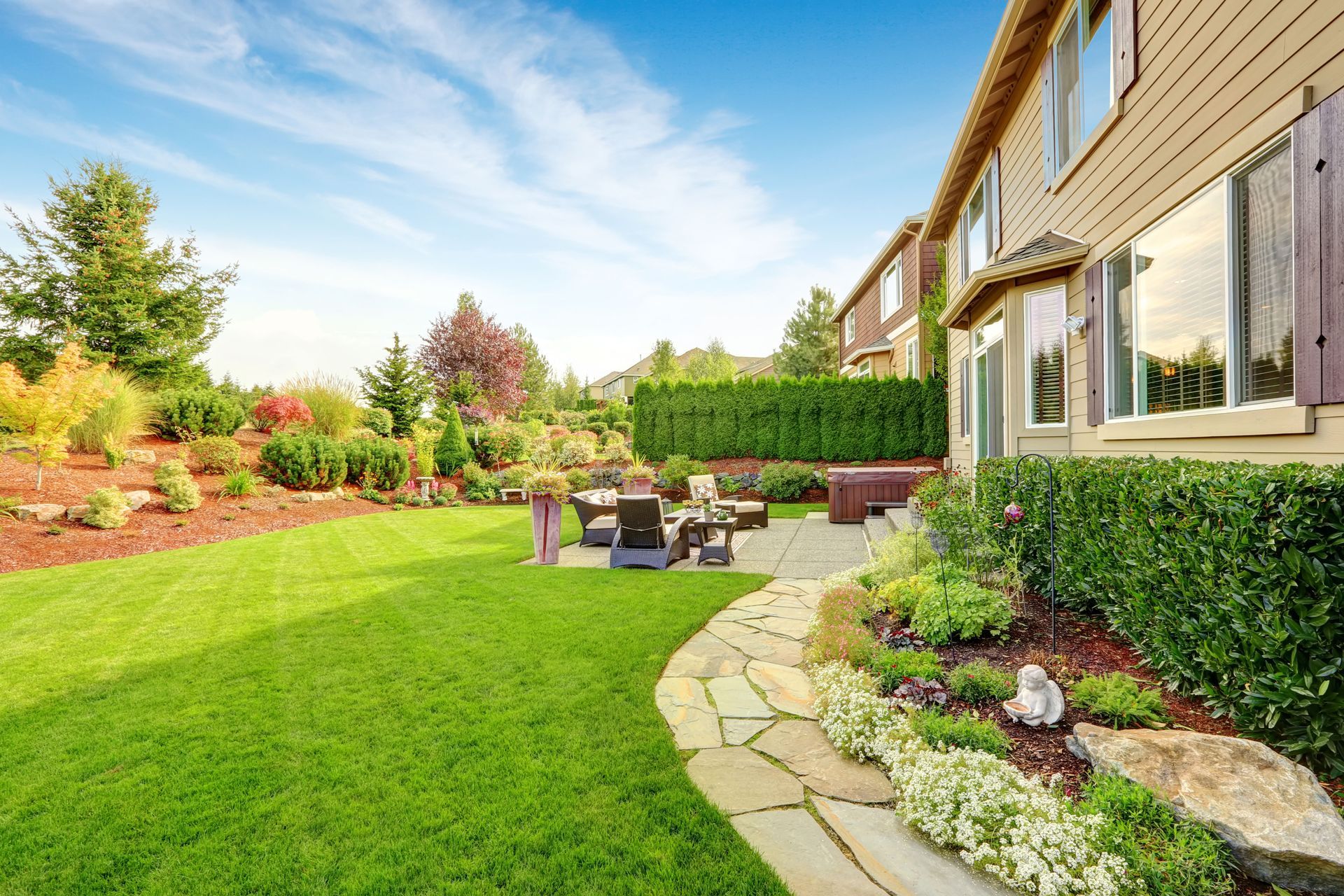
Visual harmony defines aesthetic success for properties. Manicured turf and pruned shrubs create a pleasing environment. Regular landscape maintenance removes dead foliage and encourages vibrant plant growth. Such tasks ensure grounds remain attractive throughout fluctuating seasons. Passersby form immediate opinions based on exterior conditions. A barren yard repels interest, whereas a flourishing garden invites closer inspection.
Properties with neglected exteriors struggle to attract buyers. Weeds project an image of abandonment, suggesting hidden issues inside the structure. Vibrant flowerbeds communicate meticulous ownership. These visual cues signal that the estate receives constant management. Aesthetic perfection requires ongoing effort rather than sporadic interventions. Continuous cultivation creates an inviting atmosphere that elevates the entire neighborhood.
According to Better Homes and Gardens, simple landscaping can yield a return on investment of up to 200%. This remarkable return underscores the financial logic behind exterior improvements. Real estate markets reward superior curb appeal with higher valuations. Buyers envision themselves in beautiful spaces and offer premium prices for move-in-ready exteriors. The upfront costs of lawn care pale compared to the equity generated.
Consistency transforms average yards into botanical displays. Seasonal fertilization ensures deep green hues, while proper irrigation prevents brown patches. Owners reap the rewards during appraisals and neighborhood assessments. A beautiful exterior sets a high standard for the community. Residents feel pride when returning to a well-kept home. The daily experience of a thriving garden provides immeasurable joy.
Preventing Structural Damage Through Proactive Care
Plants possess the power to damage buildings if left unchecked. Tree roots infiltrate plumbing systems, causing severe blockages. Unmanaged branches scrape roofing materials, stripping protective layers. Routine landscape maintenance identifies these hazards before they evolve into catastrophic failures. Arborists spot vulnerabilities that untrained eyes miss. Removing a problematic sapling prevents future foundation trouble. Early intervention acts as a shield against devastating repair bills.
Moisture control represents a critical aspect of exterior upkeep. Grading issues direct water toward foundations instead of away. This misdirection results in basement flooding and cracked concrete slabs. Aeration and proper mulching facilitate appropriate water absorption. Healthy soil absorbs rain, keeping the structure dry and stable. Standing water drowns grass and breeds mosquitoes. Proper drainage designs preserve structural integrity.
Insect infestations begin in overgrown yard debris. Piles of rotting wood provide breeding grounds for termites and carpenter ants. These pests migrate from the yard into the home, devouring structural supports. Clearing organic waste eliminates these habitats. A clean perimeter acts as a defensive barrier against destructive insects. Removing fallen branches deprives rodents of shelter, deterring wildlife from breaching the household envelope.
Vines climbing brick walls cause severe mortar degradation. Tendrils burrow into crevices, expanding as they grow and forcing bricks apart. Regular pruning keeps crawling plants away from vulnerable facades. Groundskeepers ensure vegetation enhances the architecture rather than destroying it. Protecting the building shell requires vigilant plant management. A buffer zone between greenery and siding prolongs the lifespan of exterior materials.
Enhancing Environmental Health Through Mindful Care
Healthy outdoor spaces contribute positive benefits to the ecosystem. Trees act as natural air purifiers, absorbing pollutants and releasing oxygen. A dense turf prevents soil erosion during heavy rainstorms, keeping waterways clear of sediment. Implementing routine landscape maintenance sustains these environmental functions. Strong plants perform ecological roles with greater efficiency. A flourishing garden supports urban biodiversity and provides a wildlife sanctuary.
Native plants require less water and fertilizer than exotic species. Groundskeepers focusing on native vegetation reduce the ecological footprint of the property. Proper weed management prevents invasive species from choking out local flora. A balanced yard provides shelter for pollinators like bees. Selecting appropriate flora tailored to the climate minimizes resource consumption. Sustainable choices ensure the environment thrives without excessive intervention.
Excessive chemical runoff damages local streams and rivers. Educated property managers use organic fertilizers and precise application methods to protect the water table. Mulching conserves soil moisture, reducing the need for constant irrigation. These sustainable practices lower utility bills while protecting natural resources. Applying compost enriches the dirt without introducing harmful toxins to the watershed. A healthy biomatrix underground supports resilient grass.
Temperature regulation is an overlooked benefit of mature trees. Canopy shade reduces the heat island effect, keeping surrounding structures cool. This natural cooling mechanism decreases reliance on air conditioning systems during summer months. Strategic pruning ensures shade trees remain structurally sound. Environmental synergy occurs when nature and human habitation coexist. Well-placed foliage acts as a windbreak, reducing heating costs and shielding the home.
Sustaining Market Competitiveness Through Dedicated Care
Real estate markets fluctuate, but superior properties retain desirability. Buyers compare available options, noting every flaw and feature. An immaculate exterior tips the scales in favor of a well-kept property. Engaging in routine landscape maintenance guarantees a competitive edge during market downturns. Aesthetics separate premium listings from stagnant inventory. Investors seek out homes requiring minimal work. A pristine yard signals a turnkey asset ready for occupation.
Neighborhood standards dictate acceptable levels of yard upkeep. Properties falling below community expectations drag down adjacent home values. Homeowners associations mandate aesthetic baselines to protect collective equity. Conforming to these standards ensures the property remains an asset to the community. Shared pride elevates the status of the entire street. A unified aesthetic throughout a subdivision increases demand. Compliance with norms secures individual financial interests.
Appraisers calculate property value using precise metrics and subjective observations. While square footage provides baseline figures, condition adjustments swing the final valuation. A manicured yard suggests the home is structurally sound. This psychological impact influences the final appraisal outcome. Exterior excellence translates into measurable equity. Assessors note upgrades like irrigation systems and mature plantings. An impressive outdoor presentation maximizes the assessed value of the asset.
Commercial real estate relies on exterior presentation to attract prestigious tenants. Retail centers with vibrant flowers draw affluent shoppers. Office parks with serene green spaces improve employee satisfaction. Property managers understand that exterior aesthetics drive lease agreements and rental rates. The outdoors serve as the initial point of contact for every transaction. Corporate clients desire locations reflecting their brand prestige. Immaculate grounds communicate professionalism and success.
Nature remains in a constant state of growth and decay. Taming this force requires consistent effort and strategic planning. The rewards for this diligence include elevated curb appeal, structural security, ecological harmony, and market dominance. A cultivated exterior stands as a testament to diligent ownership. Preserving property value begins the moment an individual steps onto the grass. Ongoing horticultural care represents a mandatory practice. At One Team Property Inc, we protect your real estate equity through professional landscape maintenance. Contact our office to schedule an exterior property evaluation.