June 20, 2026
Discover how strategic landscaping can transform the exterior of your home, increasing both its aesthetic appeal and market value. This guide introduces 4 innovative landscaping ideas tailored to elevate the curb appeal of any property. Landscaping is a critical aspect of home design that seamlessly blends nature with architecture, influencing not just perception but financial valuation as well. According to Home Guide, realtors typically recommend investing between 5% and 15% of a home's total value in landscaping. This investment is worthwhile as a well-landscaped property tends to have a more inviting, finished look, significantly enhancing first impressions.
Section 1: Utilizing Native Plants
The utilization of native plants in landscaping is a sustainable choice that benefits both the environment and the homeowner. Choosing the right native species involves researching what plants naturally thrive in your area, as they will require less water and maintenance. By selecting species that are adapted to local soil and climate conditions, your garden becomes more resilient to pests and adverse weather. This not only lowers ongoing gardening costs but also contributes to the local ecosystem by providing habitats for native wildlife. Native plants tend to require less chemical intervention, promoting a healthier garden environment.
The benefits of native plants extend beyond mere maintenance; they also enhance biodiversity. By filling your yard with local flora, you create a sanctuary for native bees, birds, and butterflies. This amplifies the beauty of your garden with natural vibrancy and life. Additionally, native plants often support a variety of pollinators, helping to sustain the local food chain. Having a biodiverse garden can also protect the area from invasive species that might otherwise disrupt local ecologies.
Designing a low-maintenance landscape with native plants allows you to enjoy your garden more and work less. By strategically planting perennials and shrubs, you can minimize the need for constant replanting. The careful selection of drought-resistant and hardy plants reduces the necessity for irrigation and chemical fertilizers. A thoughtfully planned garden adapts to seasonal changes seamlessly, providing year-round visual appeal and ease of care. Investing in native plants not only enhances your home’s value but also contributes positively to environmental conservation.
Section 2: Creating a Symphony of Colors
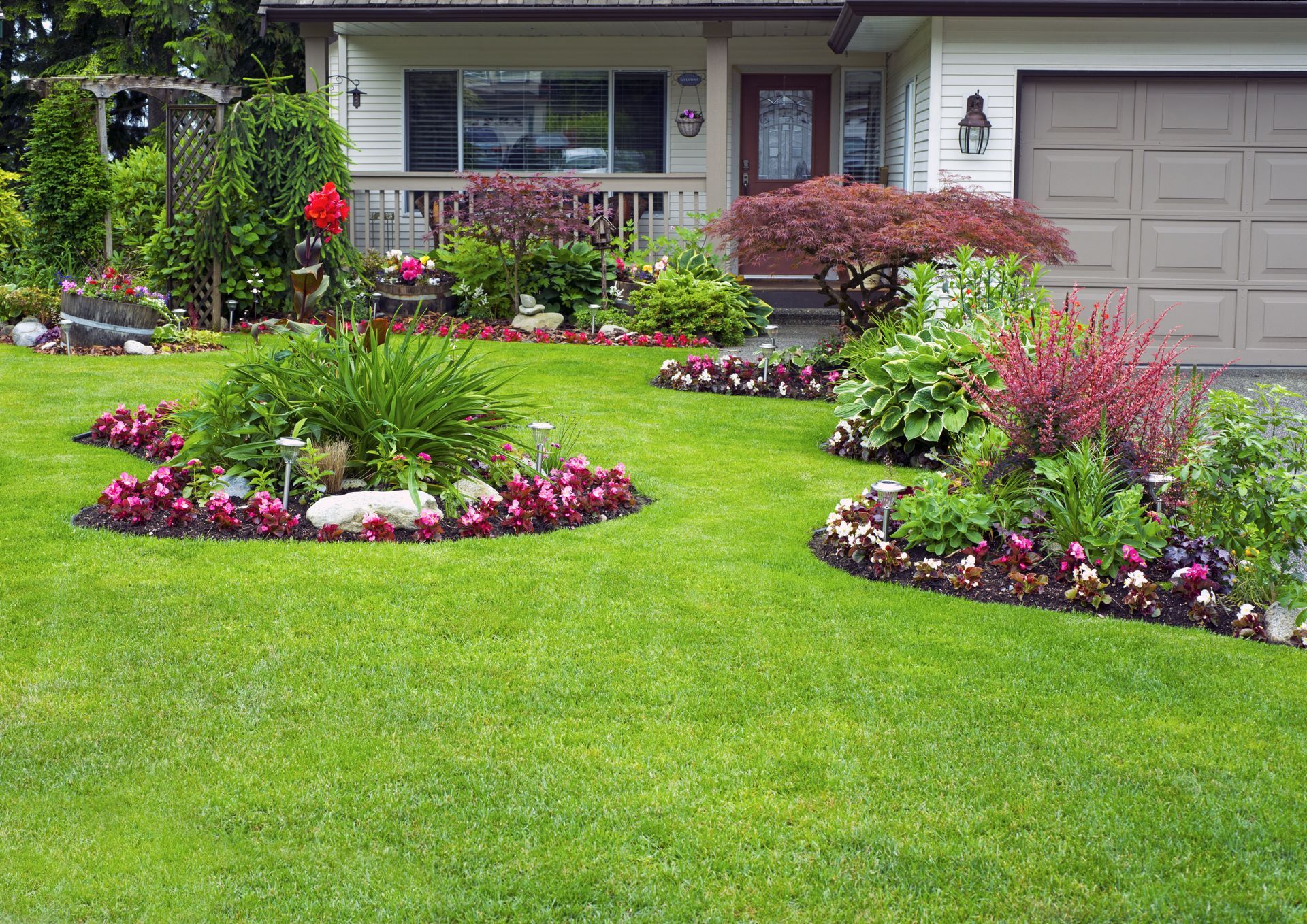
Understanding color theory in landscaping is crucial in creating visually appealing outdoor spaces. Colors can influence mood and perception; warm colors like red and yellow often stimulate and energize, while cool colors such as blue and green tend to calm and relax. Using a color wheel can help you select complementary and contrasting colors to create harmony in your garden. The goal is to have colors that draw attention to particular areas while blending seamlessly with surrounding elements. Carefully selected colors can tie various parts of your landscape together, creating a unified and cohesive look.
When choosing a color palette, consider the colors of your home to ensure a complementary design. The landscape should enhance your home’s exterior rather than compete with it. For instance, if your home is painted in neutral tones, vibrant flowers or foliage can provide a striking contrast. Conversely, a brightly colored facade might benefit from a more subdued palette in the garden to avoid overwhelming the senses. Thoughtful color selections not only improve curb appeal but also help in emphasizing architectural features.
Using focal points effectively draws the eyes to significant parts of your landscape design. Focal points can be achieved using a variety of elements such as brightly colored plants, statues, or even water features. These elements create visual interest and help guide viewers through the landscape. Incorporating focal points at strategic areas, like the front entrance or a garden pathway, can add depth and create an inviting atmosphere. A well-placed focal point can make all the difference in a garden, turning it from ordinary to extraordinary.
Section 3: Innovative Lawn Alternatives
Converting traditional grass lawns to groundcover is not only innovative but also eco-friendly. Grass lawns often require extensive water and chemicals to maintain, which can be costly and harmful to the environment. Instead, groundcovers such as thyme, clover, or moss can provide a lush green appearance with less maintenance. These alternatives need less water and care, reducing your environmental impact and saving on water bills. Groundcovers can also offer blooms and emit pleasant fragrances, enhancing the sensory enjoyment of your outdoor space.
Installing a clover lawn is an excellent sustainable choice that offers numerous benefits. Clover is naturally resistant to pests, reducing the need for pesticides. Its adaptability to various soil types makes it an easy choice for many climates. Clover also requires less mowing than traditional grass, saving you time and energy. Additionally, it has the ability to fix nitrogen in the soil, improving fertility and reducing the need for chemical fertilizers.
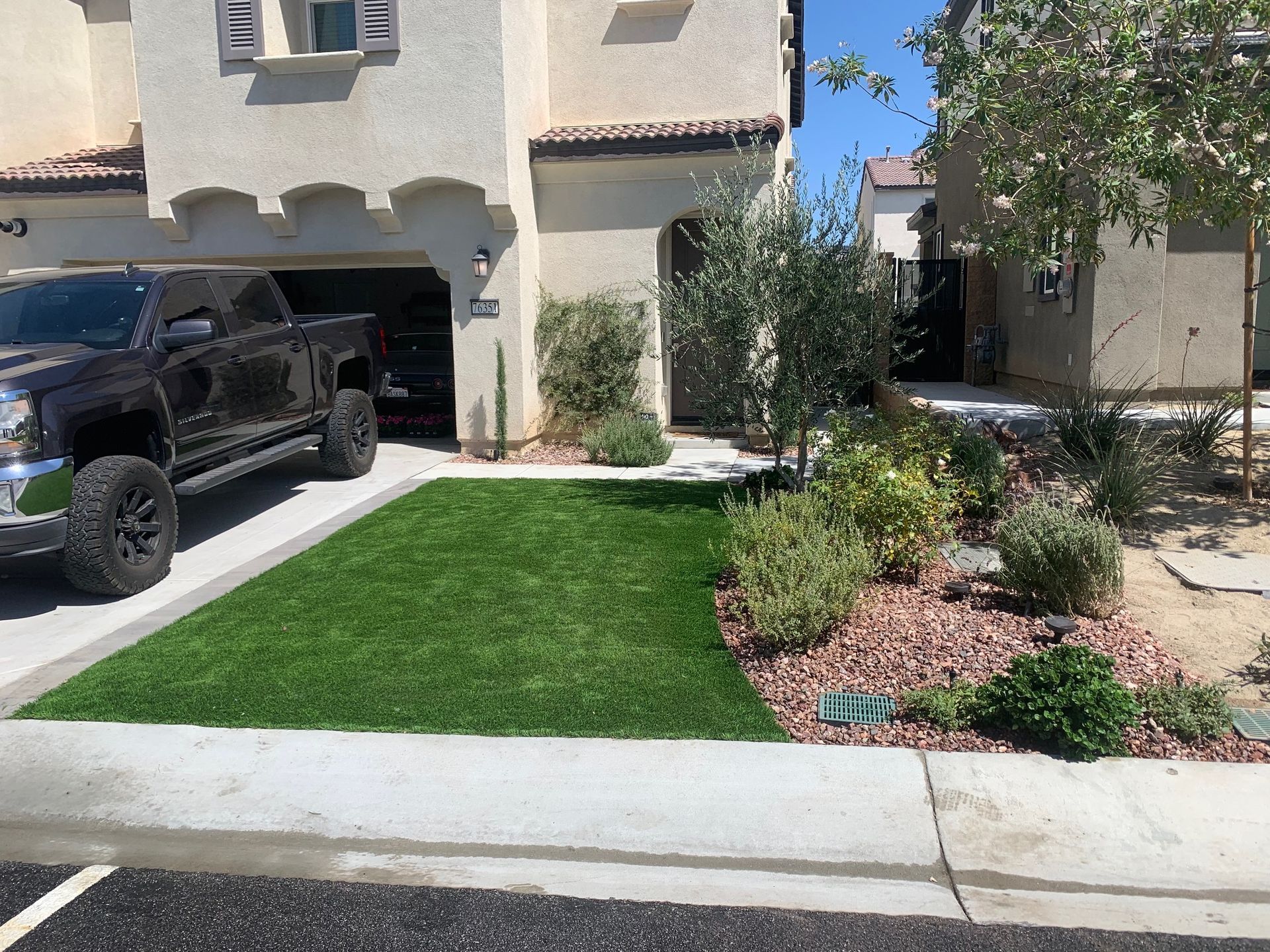
Artificial turf provides a realistic grass appearance without the upkeep of live plants. It is a cost-effective option in the long run as it requires no water, fertilizers, or mowing. However, it's worth considering the initial installation cost and its environmental footprint, as artificial turf is not biodegradable. Weighing the pros and cons is essential; while it offers all-year-round greenery, some homeowners might miss the natural ecosystem benefits provided by live plants. For those who prioritize convenience and appearance, artificial turf can be a compelling choice.
Section 4: Integrating Water Features
Integrating water features into your landscape design adds a layer of tranquility and sophistication. Water features like ponds, fountains, and streams provide an auditory and visual experience that's soothing and refreshing. Not only do they enhance aesthetic appeal, but they also contribute positively to the local ecosystem. Water features can attract a variety of wildlife, turning your garden into a vibrant hub of activity. They can also serve as a focal point around which the rest of the landscape can be designed.
Designing a bird bath oasis is an easy entry point for those looking to incorporate water features. Bird baths attract a host of local and migratory birds, adding life and movement to your garden. Placing the bird bath in a visible yet safe location ensures that it’s easy to maintain and enjoy. Over time, a bird bath can become a mini-ecosystem in its own right, supporting various species and promoting biodiversity. It's a simple addition that provides significant aesthetic and ecological benefits.
Sustainable options such as rain gardens are excellent for environmentally conscious homeowners. Rain gardens utilize runoff to nourish plants and recharge groundwater, reducing traditional irrigation needs. They use hardy native plants that thrive on excess water, serving both environmental and aesthetic purposes. Installing a rain garden requires some planning but offers long-term benefits of reducing water bills and preventing erosion. This sustainability aspect aligns beautifully with modern ecological trends, making it a rewarding choice for your landscape.
Implementing these landscaping ideas can greatly enhance your home's curb appeal, creating a warm and inviting first impression while boosting property value. Tailor these concepts to fit your personal taste and community guidelines for best results. Strategic investments in landscaping have a proven track record of providing significant returns, adding not only financial value to your property but also enhancing your quality of life. By adopting a landscape that reflects your home's style and your personal preferences, you forge a resonant connection between your living spaces and the natural environment. These recommendations offer a blueprint for transforming your surroundings into beautiful, functional spaces that engage, inspire, and thrive. Be sure to reach out to One Team Property Inc today to learn more about our professional landscape planning!